Pool Brite SDS
Safety Data Sheet for SGM Pool Brite, revised 2019-01-30.
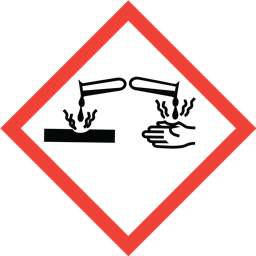
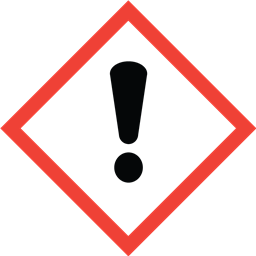
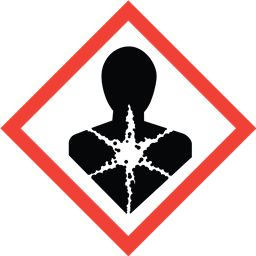
Hazards
- Causes skin irritation.
- Causes serious eye damage.
- May cause an allergic skin reaction.
- May cause cancer.
- May cause respiratory irritation.
- May cause damage to organs (Lung) through prolonged or repeated exposure.
Protective equipment
- In situations where there is potential splash or puff exposure of cement products, wear unvented goggles or a faceshield.
- In extremely dusty or unpredictable environments wear unvented or indirectly vented goggles or a faceshield.
- Wear appropriate chemical resistant gloves.
- Where prolonged exposure to unhardened Portland cement products might occur, wear impervious clothing and gloves to prevent skin contact.
- Wear sturdy boots that are impervious to water and eliminate foot and ankle exposure.
- Use NIOSH/MSHA approved (30 CFR 11) or NIOSH approved (42 CFR 84) respirators in poorly ventilated areas, or if an applicable exposure limit is exceeded, or when dust causes discomfort or irritation.
- Wear appropriate thermal protective clothing, when necessary.
First aid
- Eyes: Do not rub eyes. Immediately flush eyes with plenty of water for at least 15 minutes. Remove any contact lenses and open eyelids wide apart. Continue rinsing. Get medical attention immediately.
- Skin: Remove contaminated clothing immediately and wash skin with soap and water. In case of eczema or other skin disorders: Seek medical attention and take along these instructions.
- Swallowed: Never give anything by mouth to a victim who is unconscious or is having convulsions. DO NOT INDUCE VOMITING. Rinse mouth thoroughly with water and give large amounts of water, if person is conscious. Get medical attention.
- Breathing it in: If dust from the material is inhaled, remove the affected person immediately to fresh air. Call a POISON CENTER or doctor/physician if you feel unwell.
Fire
Use water fog, foam, dry chemical powder, or carbon dioxide (CO2); avoid water jet. Wear self-contained breathing apparatus and full protective clothing. Hazardous combustion products may include carbon oxides, silicon oxides, and metal oxides.
Spills
Avoid forming dust and use a NIOSH/MSHA approved respirator if exposure limits may be exceeded. For dry spills, use a HEPA vacuum and place material in a sealable container; for wet spills, absorb or cover with dry earth, sand or other non-combustible material, then transfer to containers for disposal. Prevent entry into drains.
Summary taken from the SDS and checked by IDSDS. The full SDS is the official document.
En español
Pictogramas: Corrosivo, Irritante / nocivo, Peligro para la salud
Indicaciones de peligro en la redacción oficial del SGA en español. El equipo de protección y los primeros auxilios están arriba, como los dice la hoja. La hoja completa del fabricante es el documento oficial.
Try IDSDS free