Cutless-50W SDS SDS
Safety Data Sheet for SePRO Cutless-50W SDS, revised 2015-02-15.
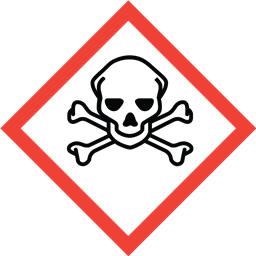
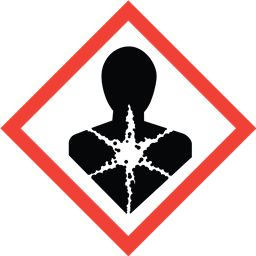
Hazards
- Toxic if inhaled.
- Harmful if swallowed.
- May cause damage to organs through prolonged or repeated exposure.
Protective equipment
- Safety eyewear complying with an approved standard should be used when a risk assessment indicates this is necessary to avoid exposure to liquid splashes, mists, gases or dusts. If contact is possible
- Chemical-resistant, impervious gloves complying with an approved standard should be worn at all times when handling chemical products if a risk assessment indicates this is necessary.
- Use a properly fitted, particulate filter respirator complying with an approved standard if a risk assessment indicates this is necessary.
- Personal protective equipment for the body should be selected based on the task being performed and the risks involved and should be approved by a specialist before handling this product.
- Appropriate footwear and any additional skin protection measures should be selected based on the task being performed and the risks involved and should be approved by a specialist before handling this
First aid
- Eyes: Immediately flush eyes with plenty of water, occasionally lifting the upper and lower eyelids. Check for and remove any contact lenses. Continue to rinse for at least 20 minutes. Get medical attention following exposure or if feeling unwell.
- Skin: Flush contaminated skin with plenty of water. Continue to rinse for at least 20 minutes. Get medical attention following exposure or if feeling unwell. Wash clothing before reuse. Clean shoes thoroughly before reuse.
- Swallowed: Wash out mouth with water. Remove dentures if any. If material has been swallowed and the exposed person is conscious, give small quantities of water to drink. Do not induce vomiting unless directed to do so by medical personnel. Get medical attention. If necessary, call a poison center or physician. Never give anything by mouth to an unconscious person.
- Breathing it in: Remove victim to fresh air and keep at rest in a position comfortable for breathing. If not breathing, if breathing is irregular or if respiratory arrest occurs, provide artificial respiration or oxygen by trained personnel. Get medical attention. If necessary, call a poison center or physician.
Fire
Use an extinguishing agent suitable for the surrounding fire. Fire-fighters should wear appropriate protective equipment and self-contained breathing apparatus (SCBA) with a full face-piece operated in positive pressure mode. Decomposition products may include carbon dioxide, carbon monoxide, nitrogen oxides, halogenated compounds and metal oxide/oxides.
Spills
Move containers from spill area. Avoid dust generation. Do not dry sweep. Vacuum dust with equipment fitted with a HEPA filter and place in a closed, labeled waste container. Dispose of via a licensed waste disposal contractor. Avoid dispersal of spilled material and runoff and contact with soil, waterways, drains and sewers.
Summary taken from the SDS and checked by IDSDS. The full SDS is the official document.
En español
Pictogramas: Tóxico, Peligro para la salud
Indicaciones de peligro en la redacción oficial del SGA en español. El equipo de protección y los primeros auxilios están arriba, como los dice la hoja. La hoja completa del fabricante es el documento oficial.
Try IDSDS free