(AS LABELED) SDS
Safety Data Sheet for Rust Bullet (AS LABELED), revised 2025-03-12.
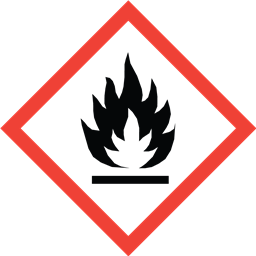
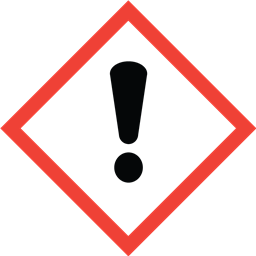
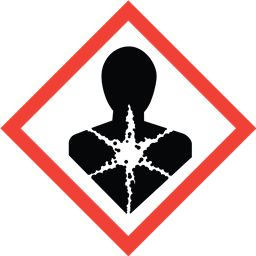
OSHA rules that apply
Hazards
- H226 Flammable Liquid and Vapour
- H335 May cause respiratory irritation
- H336 May cause drowsiness or dizziness.
- H332 Harmful if inhaled
- H312 Harmful in contact with skin.
- H315 Causes skin irritation.
- H319 Causes serious eye irritation.
- H334 May cause allergy or asthma symptoms or breathing difficulties if inhaled.
- H317 May cause an allergic skin reaction.
- H351 Suspected of causing cancer.
- H304 May be fatal if swallowed and enters airways.
Protective equipment
- Wear protective gloves
- Wear protective clothing
- Wear eye protection/face protection
- Use chemical safety goggles and/or a full face shield where splashing and eye contact is possible
- Use of chemical resistant gloves is recommended to prevent skin contact
- Not normally required for properly ventilated areas; if necessary, use respiratory protection authorized by OSHA 29 CFR 1910.134 or equivalent
- Use body protection appropriate to task being performed
First aid
- Eyes: Open eyes while under gentle running water for several minutes. Remove contact lenses if present and easy to do. Continue rinsing for at least 15 minutes. Seek medical attention if irritation develops or persists or if visual changes occur.
- Skin: Wash skin thoroughly after handling. Seek medical attention if irritation develops and persists. Remove contaminated clothing. Launder before re-use.
- Swallowed: Call physician or poison control center for most current information. If professional advice is not available, do not induce vomiting. Never induce vomiting or give diluents (milk or water) to someone who is unconscious, having convulsions, or who cannot swallow. Seek medical advice and take a copy of the label and/or SDS to the health professional.
- Breathing it in: If breathing becomes difficult, remove victim to fresh air. If necessary, use artificial respiration to support vital functions. Seek medical attention.
Fire
Use water spray (mist), carbon dioxide, foam, dry chemical, halon, or any "C" class extinguisher. Flammable in presence of open flames and sparks; vapor may travel to ignition source and flash back. Containers heated in a fire may swell and burst. Structural firefighters must wear Self-Contained Breathing Apparatus and full protective equipment.
Spills
Shut off leaks if possible without personal risk. Wear suitable protective clothing, gloves and eye/face protection. Evacuate personnel to safe areas. Construct a dike, keep out of sewers, storm drains and surface waters. Use non-sparking tools; soak up with absorbent material such as clay or sand; place in leak-proof containers and seal tightly for disposal.
Ingredients (SDS section 3)
| Ingredient | CAS number | Amount |
|---|---|---|
| Proprietary Homopolymer | 45 - 65% | |
| Aromatic Solvent | 1330-20-7 | 10-25% |
| Isobutyl Acetate | 110-19-0 | 10-25% |
| Aluminum | 7429-90-5 | 10-25% |
| 4-4’-methylenediphenyl diisocyanate | 101-68-8 | 5-15% |
| Methyenediphenyl diisocyanate | 26447-40-5 | 1-5% |
Summary taken from the SDS and checked by IDSDS. The full SDS is the official document.
En español
Pictogramas: Inflamable, Irritante / nocivo, Peligro para la salud
Peligros:
- Líquido y vapores inflamables
- Puede irritar las vías respiratorias
- Puede provocar somnolencia o vértigo
- Nocivo en caso de inhalación
- Nocivo en contacto con la piel
- Provoca irritación cutánea
- Provoca irritación ocular grave
- Puede provocar síntomas de alergia o asma o dificultades respiratorias en caso de inhalación
- Puede provocar una reacción alérgica en la piel
- Se sospecha que provoca cáncer
- Puede ser mortal en caso de ingestión y penetración en las vías respiratorias
Indicaciones de peligro en la redacción oficial del SGA en español. El equipo de protección y los primeros auxilios están arriba, como los dice la hoja. La hoja completa del fabricante es el documento oficial.
Try IDSDS free