CLEAR PRE FORM SDS
Safety Data Sheet for Nox-Crete CLEAR PRE FORM, revised 2023-07-07.
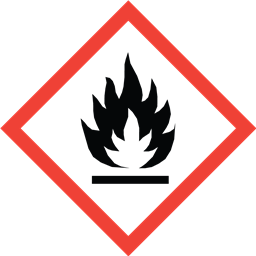
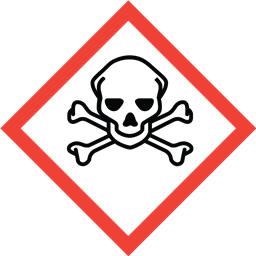
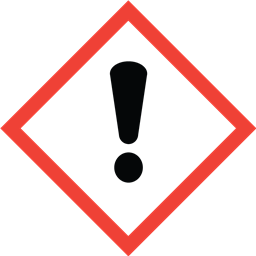
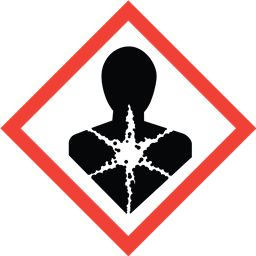
Hazards
- H225 Highly flammable liquid and vapor
- H304 May be fatal if swallowed and enters airways
- H312 Harmful in contact with skin
- H315 Causes skin irritation
- H317 May cause an allergic skin reaction
- H319 Causes serious eye irritation
- H330 Fatal if inhaled
- H334 May cause allergy or asthma symptoms or breathing difficulties if inhaled
- H335 May cause respiratory irritation
- H336 May cause drowsiness or dizziness
- H351 Suspected of causing cancer
- H361 Suspected of damaging fertility or the unborn child
- H373 May cause damage to ears and CNS through prolonged or repeated exposure
Protective equipment
- Chemical goggles and/or face shields are required to prevent potential eye contact, irritation, or injury.
- Wear chemical resistant gloves and appropriate protective clothing and boots as required to prevent skin contact.
- The use of a NIOSH approved positive air supplied respirator is recommended whenever the airborne concentrations exceed the specified TLV or there is a high concentration of product in the air such as
- In case of inadequate ventilation wear respiratory protection (P285).
- People dealing with major spills should wear full protective clothing including respirator protection (section 6).
- Firefighters should always wear self-contained breathing apparatus (SCBA) and full protective gear when fighting any chemical fire.
First aid
- Eyes: When contact lenses are worn, remove if possible. Rinse immediately with plenty of flowing water for 10 to 15 minutes while holding eyelids apart. Get medical attention immediately.
- Skin: If skin irritation persists, seek medical attention. Remove or take off immediately all contaminated clothing. Rinse skin with water or shower. Wash off immediately with soap and plenty of water.
- Swallowed: Rinse mouth. DO NOT induce vomiting. Get medical attention immediately.
- Breathing it in: If the individual experiences nausea, dizziness, or difficulty in breathing, seek a healthcare professional immediately. Remove to fresh air and keep at rest in a position comfortable for breathing. Immediately call a Poison Center or doctor/physician.
Fire
Use dry chemical, foam, or carbon dioxide. If water is used it should be in very large quantities, as the reaction between hot isocyanate and water may be vigorous. Flammable liquid; vapors can cause a flash fire. Firefighters should wear SCBA and full protective gear.
Spills
Cleanup by trained personnel only. Eliminate ignition sources. Prevent entry to sewers and public waters. Contain and absorb large spills onto an inert, non-flammable absorbent such as earth or sand, then shovel into an open top drum. Wash the area with liquid decontamination solution and dispose of residues properly.
Summary taken from the SDS and checked by IDSDS. The full SDS is the official document.
En español
Pictogramas: Inflamable, Tóxico, Irritante / nocivo, Peligro para la salud
Peligros:
- Líquido y vapores muy inflamables
- Puede ser mortal en caso de ingestión y penetración en las vías respiratorias
- Nocivo en contacto con la piel
- Provoca irritación cutánea
- Puede provocar una reacción alérgica en la piel
- Provoca irritación ocular grave
- Mortal en caso de inhalación
- Puede provocar síntomas de alergia o asma o dificultades respiratorias en caso de inhalación
- Puede irritar las vías respiratorias
- Puede provocar somnolencia o vértigo
- Se sospecha que provoca cáncer
- Se sospecha que perjudica la fertilidad o daña al feto
- Puede provocar daños en los órganos tras exposiciones prolongadas o repetidas
Indicaciones de peligro en la redacción oficial del SGA en español. El equipo de protección y los primeros auxilios están arriba, como los dice la hoja. La hoja completa del fabricante es el documento oficial.
Try IDSDS free