Quick Foam Broad Urethane SDS
Safety Data Sheet for Mar-flex Quick Foam Broad Urethane, revised 2015-05-01.
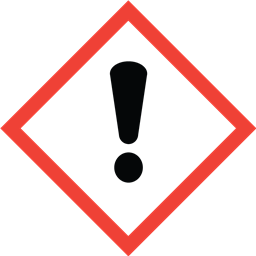
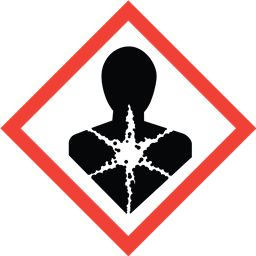
Hazards
- May cause respiratory irritation
- May cause damage to organs through prolonged or repeated exposure.
- Causes skin irritation
- May cause allergy or asthma symptoms or breathing difficulties if inhaled
- May cause an allergic skin reaction
- Suspected of causing cancer.
- Causes serious eye irritation
- May be harmful if swallowed
Protective equipment
- Wear eye protection with side shields or goggles. Wear indirect-vent, impact and splash resistant goggles when working with liquids.
- If additional protection is needed for entire face, use in combination with a face shield.
- Use of gloves approved to relevant standards made from the following materials may provide suitable chemical protection: PVC, neoprene or nitrile rubber gloves. Contaminated gloves should be replaced.
- Use of an apron and boots of chemically impervious materials such as neoprene or nitrile rubber is recommended to avoid skin sensitization.
- A supplied air, full face piece, positive pressure or continuous flow respirator or a supplied air hood is required when airborne concentrations are unknown or exceed threshold values. A positive pres
First aid
- Eyes: Remove source of exposure or move person to fresh air. Rinse eyes cautiously with lukewarm, gently flowing water for several minutes, while holding the eyelids open. Remove contact lenses, if present and easy to do. Continue rinsing for 15-20 minutes. If eye irritation persists: Get medical advice/attention.
- Skin: Take off contaminated clothing, shoes and leather goods. Wash with plenty of lukewarm, gently flowing water for 15-20 minutes. If skin irritation occurs or you feel unwell: Get medical advice/attention. Wash contaminated clothing before re-use.
- Swallowed: Rinse mouth. Drink 1 or 2 glasses of water or milk. Do NOT induce vomiting. If vomiting occurs naturally, lie on your side, in the recovery position. If exposed, concerned or if you feel unwell: get medical advice/attention.
- Breathing it in: Remove source of exposure or move person to fresh air and keep comfortable for breathing. Immediately call a POISON CENTER/doctor. If breathing is difficult, trained personnel should administer emergency oxygen if advised to do so by the POISON CENTER/doctor. Avoid mouth-to-mouth contact by using a barrier device.
Fire
Use dry chemical, foam, carbon dioxide, water spray or fog. Do not use direct water stream. Burning produces noxious and toxic fumes. Wear NIOSH approved, protective pressure self-contained breathing apparatus (SCBA) and full turnout gear.
Spills
Eliminate all ignition sources. Isolate hazard area and keep unnecessary people away. Do not touch or walk through spilled material. Contain and collect spilled materials with non-combustible, absorbent material and place in a container for disposal according to local, state and federal laws. Saturate with water or decontamination solution, but do not seal the container.
Summary taken from the SDS and checked by IDSDS. The full SDS is the official document.
En español
Pictogramas: Irritante / nocivo, Peligro para la salud
Indicaciones de peligro en la redacción oficial del SGA en español. El equipo de protección y los primeros auxilios están arriba, como los dice la hoja. La hoja completa del fabricante es el documento oficial.
Try IDSDS free