SUPERCAP® SC500 Concentrate SDS
Safety Data Sheet for LATICRETE International SUPERCAP® SC500 Concentrate, revised 2020-03-30.
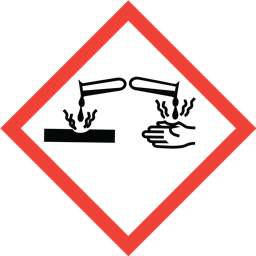
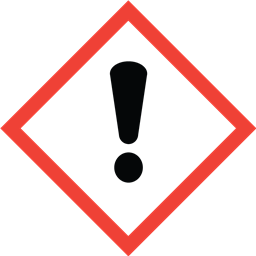
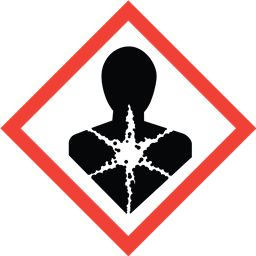
Hazards
- H314 Causes severe skin burns and eye damage.
- H317 May cause an allergic skin reaction.
- H318 Causes serious eye damage.
- H335 May cause respiratory irritation.
- H350 May cause cancer (Inhalation).
- H372 Causes damage to organs (lungs) through prolonged or repeated exposure (Inhalation).
- H402 Harmful to aquatic life.
- H412 Harmful to aquatic life with long lasting effects.
Protective equipment
- Wear eye protection.
- Wear protective gloves.
- Wear protective clothing.
- Wear respiratory protection.
First aid
- Eyes: Immediately rinse with water for at least 30 minutes. Remove contact lenses, if present and easy to do. Continue rinsing. Get immediate medical advice/attention.
- Skin: Immediately remove contaminated clothing. Immediately flush skin with plenty of water for at least 30 minutes. Get immediate medical advice/attention.
- Swallowed: Rinse mouth. Do NOT induce vomiting. Obtain emergency medical attention.
- Breathing it in: Remove to fresh air and keep at rest in a position comfortable for breathing. Immediately call a poison center or doctor/physician.
Fire
Use water spray or fog for cooling exposed containers. Protection During Firefighting: Do not enter fire area without proper protective equipment, including respiratory protection.
Spills
Contain solid spills with appropriate barriers and prevent migration and entry into sewers or streams. Clean up spills immediately and dispose of waste safely. Recover the product by vacuuming, shoveling or sweeping. Transfer spilled material to a suitable container for disposal. Contact competent authorities after a spill.
Summary taken from the SDS and checked by IDSDS. The full SDS is the official document.
En español
Pictogramas: Corrosivo, Irritante / nocivo, Peligro para la salud
Peligros:
- Provoca quemaduras graves en la piel y lesiones oculares graves
- Puede provocar una reacción alérgica en la piel
- Provoca lesiones oculares graves
- Puede irritar las vías respiratorias
- Puede provocar cáncer
- Provoca daños en los órganos tras exposiciones prolongadas o repetidas
- Nocivo para los organismos acuáticos
- Nocivo para los organismos acuáticos, con efectos nocivos duraderos
Indicaciones de peligro en la redacción oficial del SGA en español. El equipo de protección y los primeros auxilios están arriba, como los dice la hoja. La hoja completa del fabricante es el documento oficial.
Try IDSDS free