Small Chlorinating Tablets SDS
Safety Data Sheet for Hasa Small Chlorinating Tablets, revised 2026-08-24.
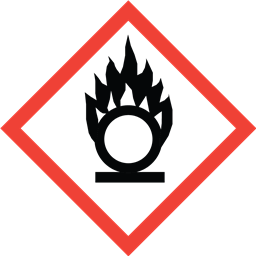
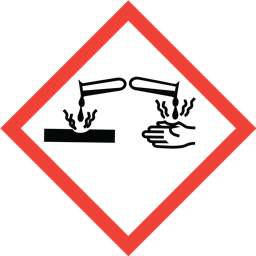
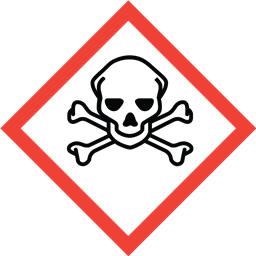
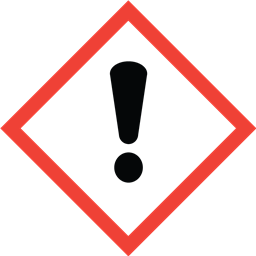
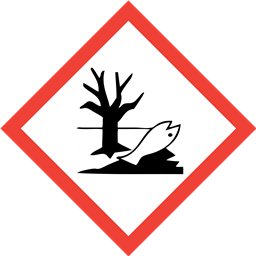
Hazards
- Causes severe skin burns and eye damage.
- Fatal if inhaled.
- Harmful if swallowed.
- May cause respiratory irritation.
- May intensify fire, oxidizer.
- Very toxic to aquatic life.
- Very toxic to aquatic life with long lasting effects.
Protective equipment
- Wear chemical safety goggles.
- Wear protective gloves/protective clothing/eye protection/face protection.
- Wear protective clothing to minimize skin contact.
- When potential for contact with dry material exists, wear disposable coveralls suitable for dust exposure, such as Tyvek.
- In case of inadequate ventilation, wear respiratory protection.
- A NIOSH approved respirator with N95 (dust, fume, mist) cartridges may be permissible under certain circumstances where airborne concentrations are expected to exceed exposure limits, or when symptoms
- The added protection of a full face piece respirator is required when visible dusty conditions are encountered and eye irritation may occur.
- Acid gas cartridges with N95 filters are required when fumes or vapor may be generated.
- Protective materials: butyl rubber, natural rubber, neoprene, nitrile, polyvinyl chloride (PVC), Tyvek.
First aid
- Eyes: Hold eye open and rinse slowly and gently with water for 15-20 minutes. Remove contact lenses, if present, after the first 5 minutes, then continue rinsing eye. Call a poison control center or doctor for treatment advice.
- Skin: Take off contaminated clothing. Rinse skin immediately with plenty of water for 15-20 minutes. Call a poison control center or doctor for treatment advice.
- Swallowed: Call a poison control center or doctor immediately for treatment advice. Have person sip a glass of water if able to swallow. Do not induce vomiting unless told to do so by a poison control center or doctor. Do not give anything by mouth to an unconscious person.
- Breathing it in: Move person to fresh air. If person is not breathing, call 911 or an ambulance, then give artificial respiration, preferably mouth-to-mouth if possible. Call a poison control center or doctor for further treatment advice.
Fire
Flood with copious amounts of water. Do not use ABC fire extinguishers, dry chemicals, carbon dioxide, or halogenated extinguishing agents. Negligible fire hazard, but heating above 240°C yields noxious gases; wet materials may generate nitrogen trichloride (explosion hazard). Wear NIOSH approved positive-pressure self-contained breathing apparatus.
Spills
Do not add water to spilled material. Do not use floor sweeping compounds. Sweep and scoop into clean, dedicated equipment; do not transport wet or damp material; neutralize damp material to a non-oxidizing state. Keep out of water supplies and sewers.
Summary taken from the SDS and checked by IDSDS. The full SDS is the official document.
En español
Pictogramas: Comburente, Corrosivo, Tóxico, Irritante / nocivo, Medio ambiente
Indicaciones de peligro en la redacción oficial del SGA en español. El equipo de protección y los primeros auxilios están arriba, como los dice la hoja. La hoja completa del fabricante es el documento oficial.
Try IDSDS free