Liquid Chlorinating Compound SDS
Safety Data Sheet for Hasa Liquid Chlorinating Compound, revised 2026-08-24.
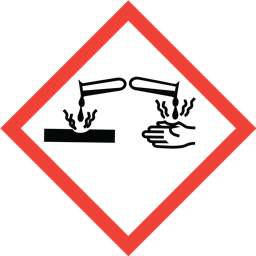
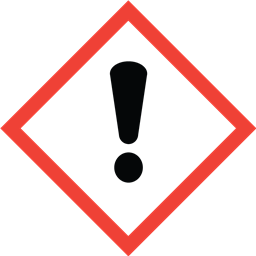
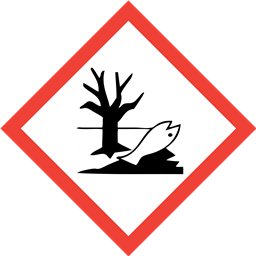
Hazards
- May be corrosive to metals.
- Causes severe skin burns and eye damage.
- May cause respiratory irritation.
- Very toxic to aquatic life.
Protective equipment
- Wear protective eye protection/face protection.
- Wear safety glasses, goggles or face shield to prevent eye contact.
- Wear protective clothing.
- Wear protective gloves. Butyl rubber, Neoprene, or Nitrile Gloves should be worn when handling this material.
- Wear chemical resistant clothing such as a rubber apron when splashing may occur.
- Avoid breathing vapor or mist. When airborne exposure limits are exceeded, use NIOSH approved respiratory protection equipment appropriate to the material and/or its components. Full facepiece equipme
- For emergency and other conditions where exposure limit may be significantly exceeded, use an approved full face positive-pressure, self-contained breathing apparatus.
First aid
- Eyes: Hold eye open and rinse slowly and gently with water for 15-20 minutes. Remove contact lenses, if present, after the first 5 minutes, then continue rinsing eye. Call a poison control center or doctor for treatment advice.
- Skin: Take off contaminated clothing. Rinse skin immediately with plenty of water for 15-20 minutes. Call a poison control center or doctor for treatment advice.
- Swallowed: Call a poison control center or doctor immediately for treatment advice. Have person sip a glass of water if able to swallow. Do not induce vomiting unless told to do so by a poison control center or doctor. Do not give anything by mouth to an unconscious person.
- Breathing it in: Move person to fresh air. If person is not breathing, call 911 or an ambulance, then give artificial respiration, preferably mouth-to-mouth if possible. Call a poison control center or doctor for further treatment advice.
Fire
Nonflammable and noncombustible. May decompose, generating irritating chlorine gas. Use water fog, foam, dry chemical powder or carbon dioxide; small fires: carbon dioxide or water spray; large fires: flooding quantities of water as fog. Do not use Mono Ammonium Phosphate (MAP) fire extinguishers.
Spills
Small spill: wipe up with absorbent material and clean surface thoroughly. Large spill: stop the flow if without risk, dike, absorb in vermiculite, dry sand or earth and place into containers, then flush area with water. Do not discharge into drains, water courses or onto the ground.
Summary taken from the SDS and checked by IDSDS. The full SDS is the official document.
En español
Pictogramas: Corrosivo, Irritante / nocivo, Medio ambiente
Indicaciones de peligro en la redacción oficial del SGA en español. El equipo de protección y los primeros auxilios están arriba, como los dice la hoja. La hoja completa del fabricante es el documento oficial.
Try IDSDS free