HandiFoam Channel Fill Window Lineal A side HCFO SDS
Safety Data Sheet for Handi-Foam (Fomo Products) HandiFoam Channel Fill Window Lineal A side HCFO, revised 2022-05-17.
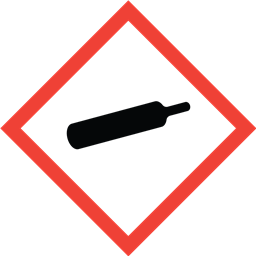
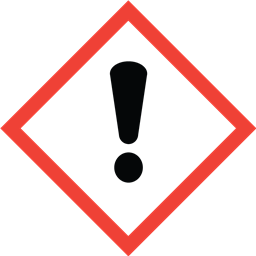
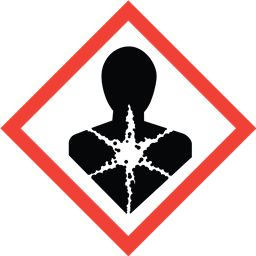
Hazards
- H280 Contains gas under pressure; may explode if heated
- H315 Causes skin irritation
- H317 May cause an allergic skin reaction
- H319 Causes serious eye irritation
- H332 Harmful if inhaled
- H334 May cause allergy or asthma symptoms or breathing difficulties if inhaled
- H335 May cause respiratory irritation
- H373 May cause damage to organs through prolonged or repeated exposure
- May displace oxygen and cause rapid suffocation
Protective equipment
- Wear protective goggles or safety glasses with side shields
- Use chemically resistant gloves (i.e. Nitrile gloves); nitrile/butadiene rubber, butyl rubber, polyethylene, PVC (vinyl), or neoprene gloves are also effective
- Use clothing that protects against dermal exposure; wear PPE so that no skin is exposed
- Use products only in a well-ventilated area; if atmospheric levels are expected to exceed exposure levels, use a NIOSH approved air purifying respirator with an organic vapor cartridge and a particula
First aid
- Eyes: Immediately flush eyes with large amounts of water for at least 15 minutes, holding the eyes open, occasionally lifting the upper and lower lids. Use lukewarm water if possible. Remove contact lenses if present and easy to do. If irritation persists, get medical attention.
- Skin: Flush skin with large amounts of water while removing contaminated clothing. Gently wipe product from skin with a damp cloth and continue rinsing for 15 minutes. Wash clothing before reuse. Call a physician if irritation persists.
- Swallowed: Do NOT induce vomiting unless directed to do so by medical personnel. Never give anything by mouth to an unconscious person. Get medical advice/attention.
- Breathing it in: Move the exposed person to fresh air immediately. If breathing is difficult or irregular, administer oxygen. If respiratory arrest occurs, start artificial respiration by a trained individual. Loosen tight clothing. Seek medical attention immediately. Persons receiving significant exposure should be observed for 24-48 hours for signs of respiratory distress.
Fire
Use dry chemical, carbon dioxide, alcohol resistant foams or water spray. Containers may explode when heated. Toxic decomposition gases may form. Keep upwind, wear full bunker gear and SCBA, and use water spray to keep fire-exposed containers cool.
Spills
Isolate the area, eliminate ignition sources and ventilate. Cover drains, contain the spill with inert absorbent, and collect into an approved open-head metal container. Decontaminate with a neutralization solution, wait 15 minutes, and repeat as needed. Allow the container to vent for 72 hours. Dispose of waste through a licensed contractor.
Summary taken from the SDS and checked by IDSDS. The full SDS is the official document.
En español
Pictogramas: Gas a presión, Irritante / nocivo, Peligro para la salud
Peligros:
- Contiene gas a presión; peligro de explosión en caso de calentamiento
- Provoca irritación cutánea
- Puede provocar una reacción alérgica en la piel
- Provoca irritación ocular grave
- Nocivo en caso de inhalación
- Puede provocar síntomas de alergia o asma o dificultades respiratorias en caso de inhalación
- Puede irritar las vías respiratorias
- Puede provocar daños en los órganos tras exposiciones prolongadas o repetidas
Indicaciones de peligro en la redacción oficial del SGA en español. El equipo de protección y los primeros auxilios están arriba, como los dice la hoja. La hoja completa del fabricante es el documento oficial.
Try IDSDS free