SDS: Water Based Milk Paint: Coral Crush - 2021-09 (1.92 MB) SDS
Safety Data Sheet for General Finishes SDS: Water Based Milk Paint: Coral Crush - 2021-09 (1.92 MB), revised 2021-09-30.
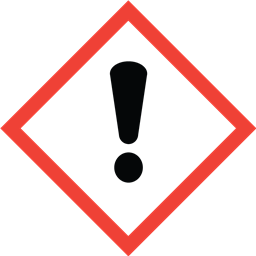
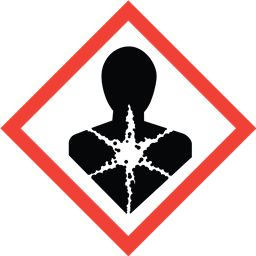
Hazards
- H317 May cause an allergic skin reaction.
- H351 Suspected of causing cancer.
- H402 Harmful to aquatic life.
Protective equipment
- Safety eyewear complying with an approved standard should be used when a risk assessment indicates this is necessary to avoid exposure to liquid splashes, mists, gases or dusts. If contact is possible
- Chemical-resistant, impervious gloves complying with an approved standard should be worn at all times when handling chemical products if a risk assessment indicates this is necessary.
- Based on the hazard and potential for exposure, select a respirator that meets the appropriate standard or certification.
- Personal protective equipment for the body and appropriate footwear should be selected based on the task being performed and the risks involved, and approved by a specialist before handling this produ
First aid
- Eyes: Immediately flush eyes with plenty of water, occasionally lifting the upper and lower eyelids. Check for and remove any contact lenses. Continue to rinse for at least 20 minutes. Get medical attention.
- Skin: Wash with plenty of soap and water. Wash contaminated clothing thoroughly with water before removing it, or wear gloves. Continue to rinse for at least 20 minutes. Get medical attention. In the event of any complaints or symptoms, avoid further exposure. Wash clothing before reuse. Clean shoes thoroughly before reuse.
- Swallowed: Wash out mouth with water. Remove dentures if any. If the exposed person is conscious, give small quantities of water to drink. Stop if the exposed person feels sick as vomiting may be dangerous. Do not induce vomiting unless directed to do so by medical personnel. Get medical attention. Never give anything by mouth to an unconscious person. If unconscious, place in recovery position and get medic
- Breathing it in: Remove victim to fresh air and keep at rest in a position comfortable for breathing. If not breathing, if breathing is irregular or if respiratory arrest occurs, provide artificial respiration or oxygen by trained personnel. Get medical attention. If unconscious, place in recovery position and get medical attention immediately. Maintain an open airway. Loosen tight clothing.
Fire
In case of fire, use water spray (fog), foam, dry chemical or CO2. Fire-fighters should wear appropriate protective equipment and self-contained breathing apparatus (SCBA) with a full face-piece operated in positive pressure mode. Fire water contaminated with this material must be contained and prevented from being discharged to any waterway, sewer or drain.
Spills
Stop leak if without risk. Evacuate surrounding areas and avoid breathing vapor or mist. Contain and collect spillage with non-combustible, absorbent material (e.g. sand, earth, vermiculite or diatomaceous earth) and place in container for disposal according to local regulations. Avoid dispersal into soil, waterways, drains and sewers.
Summary taken from the SDS and checked by IDSDS. The full SDS is the official document.
En español
Pictogramas: Irritante / nocivo, Peligro para la salud
Peligros:
- Puede provocar una reacción alérgica en la piel
- Se sospecha que provoca cáncer
- Nocivo para los organismos acuáticos
Indicaciones de peligro en la redacción oficial del SGA en español. El equipo de protección y los primeros auxilios están arriba, como los dice la hoja. La hoja completa del fabricante es el documento oficial.
Try IDSDS free