1 Cold Cure Hardener - Part B SDS
Safety Data Sheet for Epoxy.com 1 Cold Cure Hardener - Part B, revised 2015-10-22.
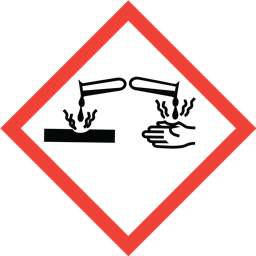
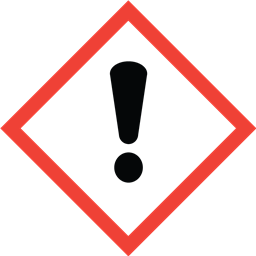
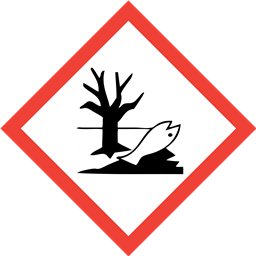
Hazards
- H317 May cause an allergic skin reaction.
- H315 Causes skin irritation.
- H318 Causes serious eye damage.
- H302 Harmful if swallowed.
- H411 Toxic to aquatic life with long lasting effects.
- H401 Toxic to aquatic life.
- H332 Harmful if inhaled.
Protective equipment
- Neoprene gloves
- Safety glasses, or goggles.
- Impervious clothing.
- Chemical resistant boots
- Normally when good engineering controls are used, no respiratory protection is needed. However, if cured product is abraded by sanding or grinding use a NIOSH approved air-purifying respirator. Where
- Nitrile rubber and Neoprene are recommended.
- Where splashing is possible, full chemically resistant protective clothing, safety glasses or face shield and boots are required.
First aid
- Eyes: In case of contact with eyes, flush with copious amounts of water for at least 15 minutes. Assure adequate flushing by separating the eyelids with fingers. Get medical attention immediately.
- Skin: In case of contact, immediately wash skin with soap and copious amounts of water. Remove contaminated clothing and shoes. Get medical attention if irritation develops or persists.
- Swallowed: If swallowed, wash out mouth with water provided person is conscious. Do not induce vomiting. Never induce vomiting or give anything by mouth if the victim is unconscious or having convulsions. Get medical attention immediately.
- Breathing it in: If inhaled, remove to fresh air. If not breathing, give artificial respiration. If breathing is difficult, give oxygen. If experiencing respiratory symptoms: Get medical attention immediately.
Fire
Wear self-contained breathing apparatus and protective clothing to prevent contact with skin and eyes. Combustible material: may burn but does not ignite readily. Use CO2, dry chemical, dry sand, or alcohol-resistant foam; do not use a direct water stream, which may spread fire.
Spills
Absorb with sand or vermiculite and place in closed containers for disposal. Ventilate the area. Wear respirator, chemical safety goggles, rubber boots, and heavy rubber gloves; where splashing is possible, full chemically resistant protective clothing and boots are required. Prevent entry into waterways, sewers, basements or confined areas.
Ingredients (SDS section 3)
| Ingredient | CAS number | Amount |
|---|---|---|
| 4-tert-Butylphenol | 98-54-4 | 30 - 45 % |
| Phenol, 4-nonyl-, branched | 84852-15-3 | 15 - 25 % |
| 1,3-Benzenedimethanamine | 1477-55-0 | 10 - 20 % |
| Trimethylhexamethylenediamine | 25620-58-0 | 10 - 20 % |
| Benzenemethanol | 100-51-6 | 5.0 - 15 % |
Summary taken from the SDS and checked by IDSDS. The full SDS is the official document.
En español
Pictogramas: Corrosivo, Irritante / nocivo, Medio ambiente
Peligros:
- Puede provocar una reacción alérgica en la piel
- Provoca irritación cutánea
- Provoca lesiones oculares graves
- Nocivo en caso de ingestión
- Tóxico para los organismos acuáticos, con efectos nocivos duraderos
- Tóxico para los organismos acuáticos
- Nocivo en caso de inhalación
Indicaciones de peligro en la redacción oficial del SGA en español. El equipo de protección y los primeros auxilios están arriba, como los dice la hoja. La hoja completa del fabricante es el documento oficial.
Try IDSDS free