Blended Masonry Cement SDS
Safety Data Sheet for CEMEX Blended Masonry Cement, revised 2017-04-28.
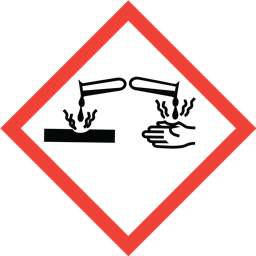
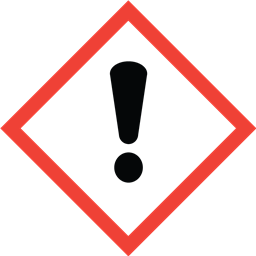
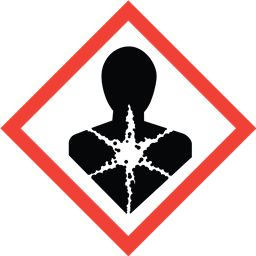
Hazards
- Causes severe skin burns and eye damage
- May cause an allergic skin reaction
- Causes serious eye damage
- May cause cancer (Inhalation, Dermal).
- May cause damage to organs (eye, lung/respiratory system, Skin) through prolonged or repeated exposure (Dermal, Inhalation)
Protective equipment
- To prevent eye contact, wear safety glasses with side shields, safety goggles or face shields when handling dust or wet cement. Wearing contact lenses when working with cement is not recommended.
- Use impervious, waterproof, and alkali-resistant gloves. Do not rely on barrier creams in place of impervious gloves. Recommended material: Nitrile
- Use impervious, waterproof, abrasion and alkali-resistant boots and protective long-sleeved and long-legged clothing to protect the skin from contact with wet Blended Masonry Cement.
- Other skin protection: appropriate footwear and any additional skin protection measures should be selected based on the task being performed and the risks involved; footwear and other gear should be a
- Use a properly fitted, particulate filter respirator complying with an approved standard if a risk assessment indicates this is necessary.
First aid
- Eyes: Get medical attention immediately. Call a poison center or physician. Immediately flush eyes with plenty of water, occasionally lifting the upper and lower eyelids. Check for and remove any contact lenses. Continue to rinse for at least 15 minutes. Chemical burns must be treated promptly by a physician.
- Skin: Get medical attention immediately. Quickly remove contaminated clothing, shoes, and leather goods. Quickly and gently blot or brush away excess cement. Immediately wash thoroughly with lukewarm, gently flowing water and non-abrasive pH neutral soap. Burns should be treated as caustic burns.
- Swallowed: Get medical attention immediately. Call a poison center or physician. Have victim rinse mouth thoroughly with water. Do not induce vomiting unless directed by medical personnel. Give small quantities of water if conscious; stop if the person feels sick.
- Breathing it in: Seek medical help if coughing or other symptoms persist. Remove victim to fresh air and keep at rest in a position comfortable for breathing. Inhalation of large amounts requires immediate medical attention. Call a poison center or physician.
Fire
Non-flammable. Use an extinguishing agent suitable for the surrounding fire. Evacuate area and fight fire with normal precautions from a reasonable distance. Positive pressure SCBA and structural firefighters' protective clothing will provide adequate protection.
Spills
Wear appropriate PPE, minimize dust generation, and clean small spills with a vacuum with a HEPA filter. For large spills, use dust control measures and carefully scoop or shovel into a clean dry container. Do not use compressed air to clean spills.
Summary taken from the SDS and checked by IDSDS. The full SDS is the official document.
En español
Pictogramas: Corrosivo, Irritante / nocivo, Peligro para la salud
Indicaciones de peligro en la redacción oficial del SGA en español. El equipo de protección y los primeros auxilios están arriba, como los dice la hoja. La hoja completa del fabricante es el documento oficial.
Try IDSDS free