Aim #1 SDS
Safety Data Sheet for Andek Aim #1, revised 2026-03-22.
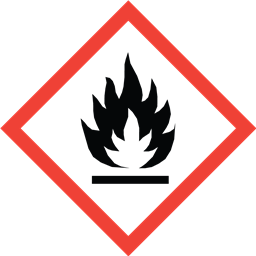
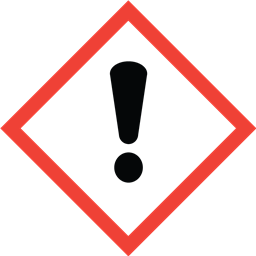
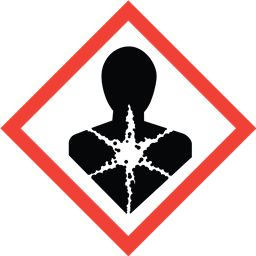
Hazards
- Combustible liquid.
- Flammable liquid and vapor.
- Causes eye irritation.
- Toxic gases/fumes may be given off during burning or thermal decomposition.
- Closed container may forcibly rupture under extreme heat or when contents have been contaminated with water.
- Use cold water spray to cool fire-exposed containers to minimize the risk of rupture.
- Causes respiratory tract irritation.
- May cause allergic respiratory reaction.
- Harmful if inhaled.
- Respiratory sensitizer.
- Lung damage and respiratory sensitization may be permanent.
- Causes skin irritation.
- May cause allergic skin reaction. Skin sensitizer.
- Animal tests and other research indicate that skin contact with MDI can play a role in causing isocyanate sensitization and respiratory reaction.
Protective equipment
- When directly handling liquid product, eye protection is required. Examples include a chemical safety goggle, or a chemical safety goggle in combination with a full face shield when there is a greater
- Gloves should be worn. Nitrile rubber showed excellent resistance. Butyl rubber, neoprene and PVC are also effective.
- Wear respiratory protection if material is heated, sprayed, used in a confined space, or if the exposure limit is exceeded. Airborne MDI concentrations greater than the TLV or PEL can occur in inadequ
- Avoid all skin contact. Depending on the conditions of use, cover as much of the exposed skin area as possible with appropriate clothing to prevent skin contact.
- Firefighters should wear NFPA compliant structural firefighting protective equipment, including self-contained breathing apparatus and NFPA compliant helmet, hood, boots and gloves.
First aid
- Eyes: Immediately flush eyes with plenty of water for at least 15 minutes, using lukewarm water if possible and fingers to separate eyelids. Get medical attention.
- Skin: Immediately remove contaminated clothing and shoes. Wash off with soap and water, using lukewarm water if possible. Wash contaminated clothing before reuse. For severe exposures, get under safety shower and begin rinsing. Get medical attention if irritation develops.
- Swallowed: Do not induce vomiting. Wash mouth out with water. Do not give anything by mouth to an unconscious person. Get medical attention.
- Breathing it in: Move to an area free from further exposure and get medical attention immediately. Administer oxygen or artificial respiration as needed. Asthmatic symptoms may develop immediately or up to several hours later; extreme asthmatic reactions can be life threatening.
Fire
Extinguishing media: dry chemical, carbon dioxide, foam, or water spray for large fires. Closed containers may forcibly rupture under extreme heat or when contaminated with water; use cold-water spray to cool fire-exposed containers. Isocyanate vapors and other irritating, highly toxic gases may be generated; exposure to heated diisocyanate can be extremely dangerous.
Spills
Evacuate non-emergency personnel, isolate the area, remove ignition sources, and contain the spill away from drains, sewers, water supplies, or soil. For minor spills, cover with absorbent, saturate with neutralization solution, wait 15 minutes, and collect in open-head metal containers. For major spills, pump released material into a closed but not sealed metal container. Call CHEMTREC at 800-424-9300.
Summary taken from the SDS and checked by IDSDS. The full SDS is the official document.
En español
Pictogramas: Inflamable, Irritante / nocivo, Peligro para la salud
Indicaciones de peligro en la redacción oficial del SGA en español. El equipo de protección y los primeros auxilios están arriba, como los dice la hoja. La hoja completa del fabricante es el documento oficial.
Try IDSDS free